
Alcohol and insomnia: Possible risks and more
How Long to Wait Between Drinking Alcohol and Bedtime
14 Septiembre, 2021Eskalacja #białko czyli Scrum i Agile
16 Septiembre, 2021
Our editors and medical experts rigorously evaluate every article and guide to ensure the information is factual, up-to-date, and free of bias.

Why You Should Limit Alcohol Before Bed for Better Sleep
Some research shows alcohol can make you feel sleepy soon after consumption and this may be due to eating a meal at the same time. Alcohol can also dehydrate you, and even mild dehydration can cause fatigue. If you sleep better when you don’t drink, you might consider stopping alcohol use entirely. However, if you continue to have sleeping difficulties, reach out to a sleep specialist. Along with prescription medications and folk remedies, many have incorporated a glass or two of alcohol into their nightly routine to try to catch a few more hours of shuteye.
Keep naps on the short side—and not too late in the day.
This suggests not only that CBTi is effective in reducing insomnia symptoms but that improvements in insomnia may also result in fewer alcohol-related problems. However, the problem with alcohol comes later in the night when alcohol has a number of negative effects. If you think you may have a sleep problem or disorder, consider taking our brief sleep quiz to find out. Remember that only a healthcare professional or sleep specialist can diagnose a sleep condition. If you’re turning to alcohol to help you sleep, you may be making the quality of your sleep worse. We dive deep into reasons you think you can’t sleep without alcohol here and how to stop alcohol insomnia here.
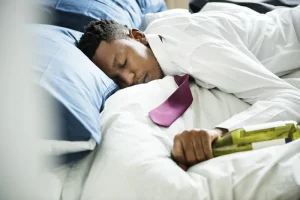
Alcohol and Insomnia: That Nightcap Might Keep You Up at Night
So while cutting out drinking will likely benefit your sleep, there may be other factors affecting your shuteye. People who go to bed with alcohol in their system may be more likely to wake early in the morning and not be able to fall back to sleep, another consequence of the rebound effect. Your daily habits and environment can significantly impact the quality of your sleep.
Alcohol Makes You Sleepy, but That Doesn’t Translate to Good Sleep
If alcohol is the deciding factor in causing a person to experience a form of parasomnia, you can label it an alcohol-induced sleep disorder. Conversely, a chronic lack of sleep can leave you with a host of problems. You may notice how exhausted you feel after a restless night, but you may not realize how severe the long-term effects can be when you’re consistently under-rested. Sleep deprivation can leave you vulnerable to illnesses, weight gain, diseases, mental health and mood issues and mental acuity problems. Alcohol potentially causes a shorter overall sleep time and disrupted sleep, which lead to next-day fatigue and sleepiness. The more alcohol you drink, the greater the negative effects on your sleep.
- Here are some daily behaviors and tips that can help you sleep better at night.
- It also considers ways to manage insomnia and prevent sleep disruption and answers some frequently asked questions.
- Alcohol is classified as a central nervous system depressant, meaning it slows down brain activity.
- Studies show a direct link between alcohol consumption and OSA, since drinking alcohol causes throat muscles to relax.
- The Well is Northwell Health’s commitment to the future of health care.
- Although the results were self-reported, women said they felt more tired before bed, experienced more nighttime awakenings and recorded less sleep than their male counterparts.
- Heavy drinking can make the sleep- and circadian rhythm-disrupting effects of alcohol worse.
It Has a Rebound Effect in the Second Half of the Night
Since alcohol adversely affects a person’s sleep quality, they’re likely to feel fatigued during the day, leading them to drink coffee or energy drinks to stay awake and sedate themselves with alcohol at night. These people will likely find they have to drink more and more as time goes by to overcome the tolerance they have built up to alcohol’s sedative effects. This issue creates a vicious does alcohol help you sleep cycle that will never leave a person feeling well-rested. However, while alcohol may hasten the sandman, it can negatively impact sleep quality. For example, people who’ve had alcohol may experience more frequent periods of lighter sleep or being awake, especially during the second half of the night. So after a few drinks, you’re likely to have increased wakefulness and more light sleep.
- As is the case with most things, how you respond to alcohol—and possible sleep disruptions that can go with it—is completely individual.
- If you’re drinking before bed to help with sleep, you should choose a different relaxation method that will help you achieve better-quality sleep.
- Alcohol can help people feel more relaxed and sleepy, but it’s also linked to poor sleep quality and duration, according to the Sleep Foundation, a U.S. nonprofit organization.
- Long-term alcohol use negatively affects REM cycles and decreases sleep quality.
- Consuming alcohol could also result in an imbalance in the sleep stages you experience.

It’s a central nervous system depressant and it slows your brain activity. This can happen as your blood alcohol levels fall or with high doses of alcohol. Those who suffer from sleep disturbances due to restless leg syndrome (RLS) are often recommended to increase magnesium consumption. For a natural boost, consider eating more green leafy vegetables, legumes, nuts, seeds, whole grains, meats, poultry, and fish, as they are all rich in this micronutrient.
- Treating these conditions may be necessary as some individuals experience insomnia due to other health issues.
- According to the Sleep Foundation, alcohol use disorder often goes hand in hand with symptoms of insomnia, and as little as one drink can exacerbate sleep apnea.
- As a result it may precipitate — or increase the frequency of — parasomnias which occur during this stage of sleep.
- The more alcohol a person drank, the higher that person’s heart rate was during sleep and this even occurred with small amounts of alcohol.
- Sleep debt can cause daytime sleepiness the next day, but also for many days to come if you don’t catch up on sleep.
In alcoholic insomnia the patient tosses from side to side during nearly the whole night, getting only broken snatches of sleep attended with frightful dreams. That said, if you’re drinking half a bottle of Scotch before bed then it will, of course, disturb your sleep. Just as alcohol affects all of us in different ways — and at different stages — there’s no set rule for how it will affect your sleep. Alcohol use can impact the quality of your sleep, and research confirms there’s a link between alcohol use and insomnia.

Even moderate amounts of alcohol in your system at bedtime alters sleep architecture—the natural flow of sleep through different stages. It also leads to lighter, more restless sleep as the night wears on, diminished sleep quality, and next-day fatigue. Proceed with caution when drinking before bedtime, as alcohol may be affecting your sleep more than you realize. This may be especially true if you drink alcohol to help you fall asleep faster, and then experience disrupted sleep later in the night without realizing it.
