
How Long to Wait Between Drinking Alcohol and Bedtime
A Monster: Super Meth and Other Drugs Push Crisis Beyond Opioids The New York Times
9 Septiembre, 2021Alcohol and insomnia: Possible risks and more
15 Septiembre, 2021
Nicole’s articles have been internationally syndicated in Vogue, Glamour and Easy Living. If you’re active or training for a specific sport event, it may be worth evaluating your alcohol intake. As mentioned, the snooze-inducing effect of alcohol doesn’t last all night.

How much does it take to affect sleep?
But when alcohol is consumed a few hours before tucking in between the sheets, it can be even more challenging to return to sleep. “If you look at what alcohol does, you’ll see that it suppresses a lot of positive, restorative things about sleep”, he said. In short, drinking alcohol prior to bed causes middle-of-the-night wake-ups and interferes with the most important stage of sleep.
- An uncomfortable sleep environment can make getting a good night’s rest challenging.
- Firstly, alcohol can cause tiredness as it can act as a sedative.
- Alcohol initially acts as a sedative, increasing the proportion of deep sleep at the beginning of the night.
- So while cutting out drinking will likely benefit your sleep, there may be other factors affecting your shuteye.
Is Your Troubled Sleep a Health Risk?

“If you experience insomnia, mood imbalances and other brain symptoms, it may be best to cut back alcohol intake overall,” Dr. Scheller adds. “Many people find that while it initially seems difficult to break the habit of using alcohol to induce sleep, they soon adjust and experience better sleep and energy overall,” she continues. So, does alcohol help you sleep or is it actually interfering with your quality of rest? Read on to find out how alcohol can affect your sleep, and why—as well as insight into the health benefits of getting enough shut-eye. If you’re someone who snores, you may find that you snore even more after a night of drinking.
How Do You Get Good Sleep After Drinking?
Poor or insufficient REM sleep has been linked to not only grogginess the next day, but also a higher risk of disease and early death. Alcohol before bed has been shown to lead to fragmented sleep and frequent waking. Information provided on Forbes Health is for educational purposes only. Your health and wellness is unique to you, and the products and services we review may not be right for your circumstances. We do not offer individual medical advice, diagnosis or treatment plans. People with alcohol in their systems are also generally harder to wake, which means that they’re less likely to experience “arousals” that help them recover from OSA- and CSA-related pauses in breathing.
- If that mimosa with brunch hits you particularly hard, it may be the result of circadian timing.
- Remember that only a healthcare professional or sleep specialist can diagnose a sleep condition.
- If you go to bed with alcohol still in your system, you may experience headaches, frequent awakenings, night sweats, more intense snoring, and nightmares.
If you have an inkling that alcohol could be affecting your sleep, Conroy recommended conducting self-experimentation. Sipping on a glass of wine or whiskey can help you drift off into dreamland quicker than without. Other, generalised sedative effects Alcohol can increase the sedative effects of medications that you may be taking for other conditions.
Gateway understands how essential ongoing support is, and we provide that to our patients long after they’ve left our facilities. Suppressing this hormone can cause your kidneys to release more water than they otherwise would. In severe instances, this can lead to dehydration, leaving you with nausea and a headache.
For a good night’s sleep, non-alcoholic drinks are your best bet. Research shows drinking one non-alcoholic beer with dinner can improve subjective sleep quality and decrease how long it takes to fall asleep. As alcohol increases GABA activity in the brain, you may start to feel sleepy.
Wine: The Solution To A Good Night’s Sleep?
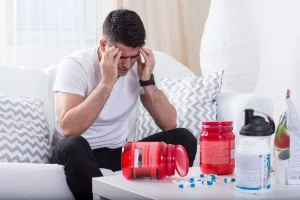
“REM sleep is critical to healthy brain function as it is essential in emotional regulation and the consolidation and retention of memories,” says Dr. Willeumier. Sleep apnea is a common sleep disorder that causes breathing disruptions during sleep. In some cases, a person’s brain doesn’t send the right signals to control their breathing during sleep. The more common form of sleep apnea is obstructive sleep apnea (OSA).
- In these cases, the problem lies with the throat muscles, which relax too much, partially or fully blocking a person’s airway repeatedly during the night.
- It’s clear that using alcohol as a sleep aid leads to poorer sleep and disrupted sleep can lead to an even greater dependence on alcohol.
- The study also showed that alcohol affected men, women, and both active and sedentary individuals similarly.
- While some people find that drinking alcohol helps them fall asleep more easily, alcohol ultimately has a negative impact on sleep.
The circadian rhythm also plays an important role in kidney function. While your internal clock regulates the kidney’s release of electrolytes and works to filter fluids, does alcohol help you sleep alcohol inhibits these processes. It is recommended you increase your daily water consumption and avoid drinking alcohol before bed to prevent its dehydrating effects.
Moreover, it can take one hour for your body to process one serving of alcohol. If you’ve had several drinks, it’s best if your last drink is finished at least several hours before you go to bed. In two separate studies, up to 28% of people said they use alcohol to help them fall asleep. So while, yes, that glass of wine can enhance your sleep on occasion, remember that it’s certainly not a long-term solution to ongoing sleep troubles and can, in fact, exacerbate the issue. For most people, alcohol induces a deeper-than-usual sleep in the first half of the night, followed by disrupted sleep in the second half of the night. There is a higher prevalence of insomnia in people with ADHD and AUD, but consuming alcohol to manage insomnia generally worsens sleeplessness.
