
Journal entry for receiving advance payment Example
xcritical: Buy Bitcoin & Ether Apps on Google Play
20 Abril, 2021The Basics of Shorting Stock
27 Abril, 2021
The advance from customers is not the direct revenue of a business since the company has yet to fulfill its obligation in return. Therefore, such earnings, which will be recognized in the future at the time of delivery of the goods or services, are often considered deferred or unearned revenue. For companies, advances contribute to immediate funds, sustaining financial stability and a healthy cash flow for day-to-day business operations. Moreover, customers paying advances demonstrate a higher commitment to the transaction, reducing the likelihood of order cancellations.
- Most of the time, the cash-paid advance will be settled with the amount purchased.
- If you’re interested in finding out more about advance payments, the right way to account for them or any other aspect of your business finances, then get in touch with our financial experts.
- When deciding which billing method is best, consider these differences and the type of services you’re providing.
- The customer deposit of $ 30,000 needs to reverse to revenue as the company has already completed the obligation.
- Chartered accountant Michael Brown is the founder and CEO of Double Entry Bookkeeping.
Accounting and Journal Entry for Advance Received from a Customer
The amount of time a prepaid expense is reported as an asset should correspond with how long the payment will provide a benefit to the organization, usually up to 12 months. Prepaid expenses are recorded as an asset on a company’s balance sheet because they represent future economic benefits. Prepaid or unexpired expenses can be recorded under two methods – asset method and expense method. Because prepayments they are not yet incurred, they should not be classified as expenses.
Customer Advance Due to Bad Credit
The buyer, in this case, has not yet received any benefits from the vendor for the money paid. Instead, manually track the amount in the customer advances account each month, and manually shift amounts to revenue as goods are delivered or services provided. This may require the use of a separate step in the month-end closing procedure, to ensure that the status of each customer advance is investigated on a regular basis. The journal entry for advance paid to supplier does not impact the total assets on the balance sheet as a whole. After all, we make an advance payment in exchange for the right to receive the goods in the future.
What are prepaid expenses?
What we are actually doing here is making sure that the incurred (used/expired) portion is treated as expense and the unused part is in assets. The adjusting entry will always depend upon the method used when the initial entry was made. In preparing the adjusting entry, our goal is to transfer the used part from the asset initially recorded into expense – for us to arrive at the proper balances shown in the illustration above. Accounting for advance payments can be a lot easier when you use a software like Holded.
To collect advance payment, your business will need to estimate the budget for the goods or services being purchased. It’s important to be as accurate as possible because it will reduce the risk of overcharging and having to issue a refund or reimbursement. Advance payments are a way to reduce your risk and ensure you have the working capital you need upfront.
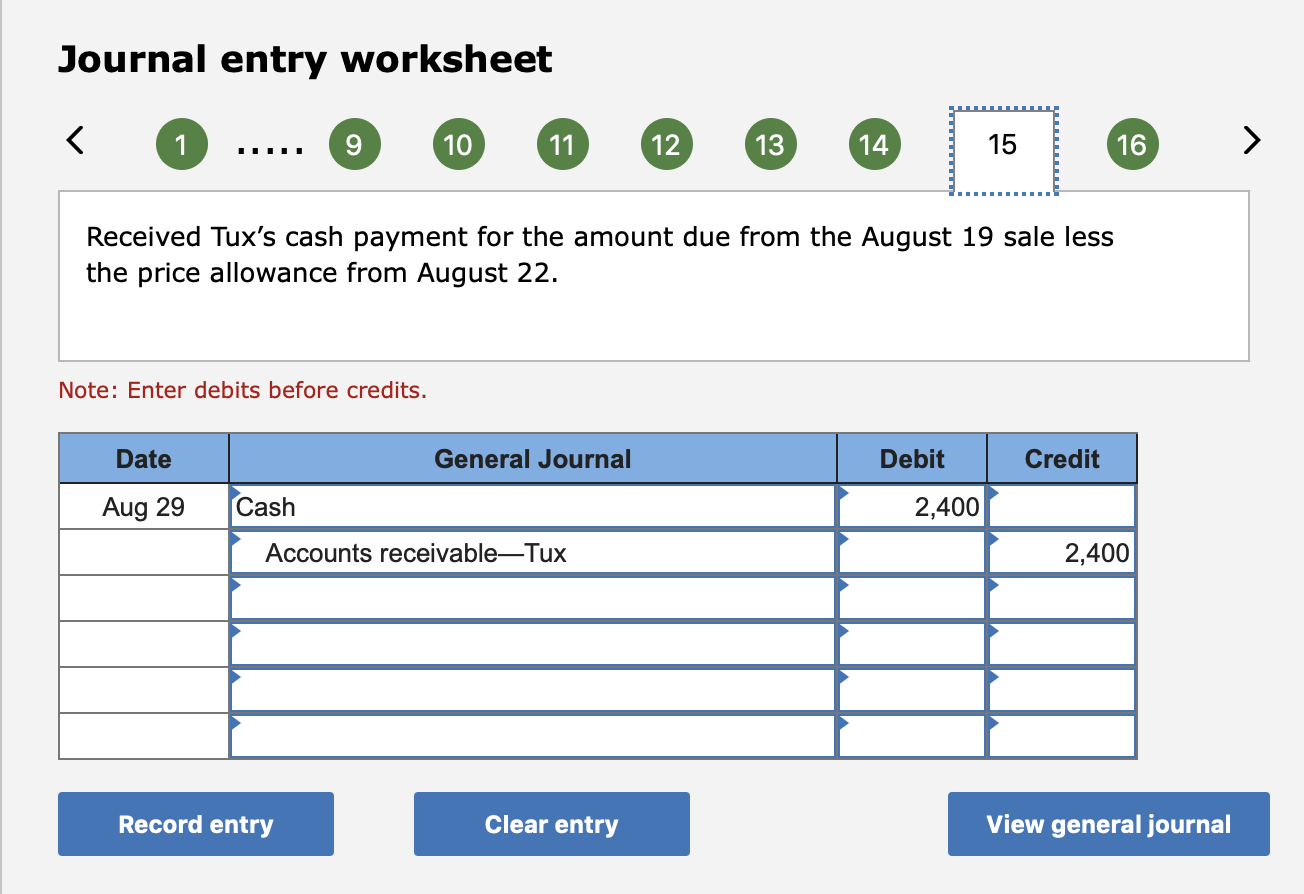
Once orders and invoices are in place, they can be linked with the advance payment. If it’s a large project, smaller companies will need to pay in advance to ensure there are enough funds and resources to complete the work in an efficient time frame. Usually, it will be included in the original quotation, so you won’t be stunned at the last minute by a request for an advance payment. This journal entry is made when we have paid the full amount of the purchase price to the supplier in advance. For example, on December 20, we receive a $600 advance payment from one of our customers for the consulting service that we are contracted to provide in January, next month. It depends on the supplier’s policy to demand a percentage of the purchase when customers process orders with them.
The accounting process for booking prepaid expenses is to initially record the payment as an asset and then gradually reduce that balance over time as the goods or services are used. In business, we may need to make an advance payment to our supplier in making the purchase of goods. Advance payments are great for boosting revenue and ensuring that the costs of delivering a product or service don’t impinge heavily on your profit margins. The more advance payments are received, the more distance you can keep between your top and bottom line.
Advance payments made to suppliers are recorded as a prepaid expense on the balance sheet—as long as your business uses the accrual accounting method. We can create chart of account “customer deposit” which is easy to control. This guidance is relevant if your entity sells goods or services and receives upfront payments before it provides the goods or services.
Let us understand the importance of advance payment solutions with the help of the discussion below. As soon as the products have been manufactured and delivered to the customer, the revenue from the sale can be recognized by the business. This is where Profitbooks can help you, with our software you can create profound invoices. You can also use the software for your accounting needs as well And with our “forever free plan” and a “lifetime deal”. ProfitBooks will be your accounting software as long as you have a business. Make sure that all the terms of payments have been agreed upon before you start the work and have all the records to prove that agreement.
GVG Company acquired a six-month insurance coverage for its properties on September 1, 2021 for a total of $6,000. Your supplier should be completely honest about how does the new tax law affect my health insurance their capabilities, and you can ask for previous examples of the work they have completed. Please prepare the journal entry on the order date and completion date.
Don’t get overwhelmed by advance payments; using QuickBooks accounting software can simplify the process of accepting advance payments and ensuring they’re recorded correctly.. The payment of expense in advance increases one asset (prepaid or unexpired expense) and decreases another asset (cash). If you have found your supplier that you trust to complete your project, and you’re happy to pay in advance, you will need to account for the money properly. The accounting records need to be carefully examined and created to prevent problems later on. The cash account in this journal entry is the amount we need to pay upon receiving the goods in order to cover the full price of the purchased goods.
